
25 Août Casino Probability Explained at the Sign-Up Moment
Casino probability explained through your first real session is a different animal to abstract maths. If you’ve walked past a Crown venue in Sydney and wondered why one machine glints while another hums quietly in the corner, the answer sits in the maths – and in what a casino shows you at registration. Before any spin, probability is framed for you, and curated first-deposit explainers such as https://ozwinbonus.org/ help newcomers figure out what comes next.
What Probability Actually Means at the Table

Two numbers do most of the heavy lifting when a casino publishes its edge: return-to-player (RTP) and house edge. Slots at venues like those along Sydney’s George Street tend to publish RTP between 94% and 97%, while a single-zero roulette wheel sits at 97.3%. These aren’t promises – they are long-run averages across thousands of spins. Variance is the third character: a 96% slot can still deliver a 50-credit loss in twenty minutes or a 400-credit win in five.
A recent phone call with Ava Taylor, Senior Market Analyst at Brighton Beach Betting Lab, sharpened this point. ‘Operators are under pressure to surface the maths on the lobby screen, not bury it in a footer,’ she told me when I asked why RTP was appearing on game tiles. ‘Players expect to see volatility and RTP before tapping a tile, and the brands that do this well earn trust faster.’ Australia’s love of the punt – from two-up at the Anzac Day pub to the Melbourne Cup carnival every spring – has always rewarded people who read the form, and operators that organise the maths cleanly win favour.
From Sign-Up to Verification: Where Probability First Appears
The first honest contact a player has with probability is the registration screen. Every international operator that accepts Australian dollars has to spell out who can play. Eligibility is a hard fence: 18+, accepted jurisdictions, one account per person. Stellar Spin Casino requires an email, password, country selector, and a tick-box confirming legal age before the form submits.
Verification is where probability becomes practical. Under standard KYC, players upload a passport or driver’s licence, a recent utility bill, and occasionally a payment-method screenshot. The 100-point ID check Australian banks have used for decades is the template most sites quietly copy. Until verification clears, withdrawals stay frozen – even if deposits went through.
Cooper Fraser, Head of Operator Partnerships at Flinders Interactive Group, walked me through the trade-off. ‘Brands want to onboard fast because every click costs conversion,’ he said when I asked about the queue. ‘But skipping document checks is how match-fixing syndicates get a foothold, and that is the gravest integrity threat to sports betting worldwide.’ A clean queue protects both sides, though it can stretch to 48 hours when the team is busy as anything on a Cup weekend.
First Deposit and the Wagering Maths Behind Your Bonus
The moment the cashier loads, probability gets a dollar sign. Stellar Spin’s welcome pack is 100% up to A$500 plus 200 free spins on Book of Dead. The 35x wagering requirement looks generous until you run the numbers. A A$200 deposit unlocks A$200 bonus, meaning A$7,000 in turnover before withdrawal. At 96% RTP, expected loss on that turnover is roughly A$280 – more than the bonus itself.
This is the most-misunderstood figure in player onboarding. Having run marketing budgets north of €100M across twenty-plus markets, I have seen confused first-time depositors cost more than almost any other onboarding fault. A A$100 stake churned through small bets generates well over A$100 of handle, and the casino counts every spin. The maths is honest; the framing rarely is.
Ava Taylor, when I caught up with her the next morning, pointed to a pending compliance shift: she expects operators to soon display the expected value of every bonus in plain numbers, not just the headline percentage. A welcome offer is a probability contract dressed as a gift, and the small print is where the contract lives.
First Play, Real Conditions, and Where Probability Bites Back
The first ten minutes at a real-money table are where probability turns into memory. A Stellar Spin session opens on a lobby where every slot tile carries an info button revealing RTP, volatility, and max win. A new player can sort by RTP, cap their first session at thirty minutes, and set a deposit limit in the cashier before risking a chip. These tools are the operator’s acknowledgement that the maths is tilted.

Cooper Fraser, when I caught up with him later, framed the first session as a stress test for both sides. If a player loses A$300 in twenty minutes because nobody surfaced the volatility rating, support will hear about it within the hour. Show the maths up front and lifetime value goes up, not down. From the Crown towers of Sydney to a Tuesday-night browser tab, brands that favour transparency come out ahead.
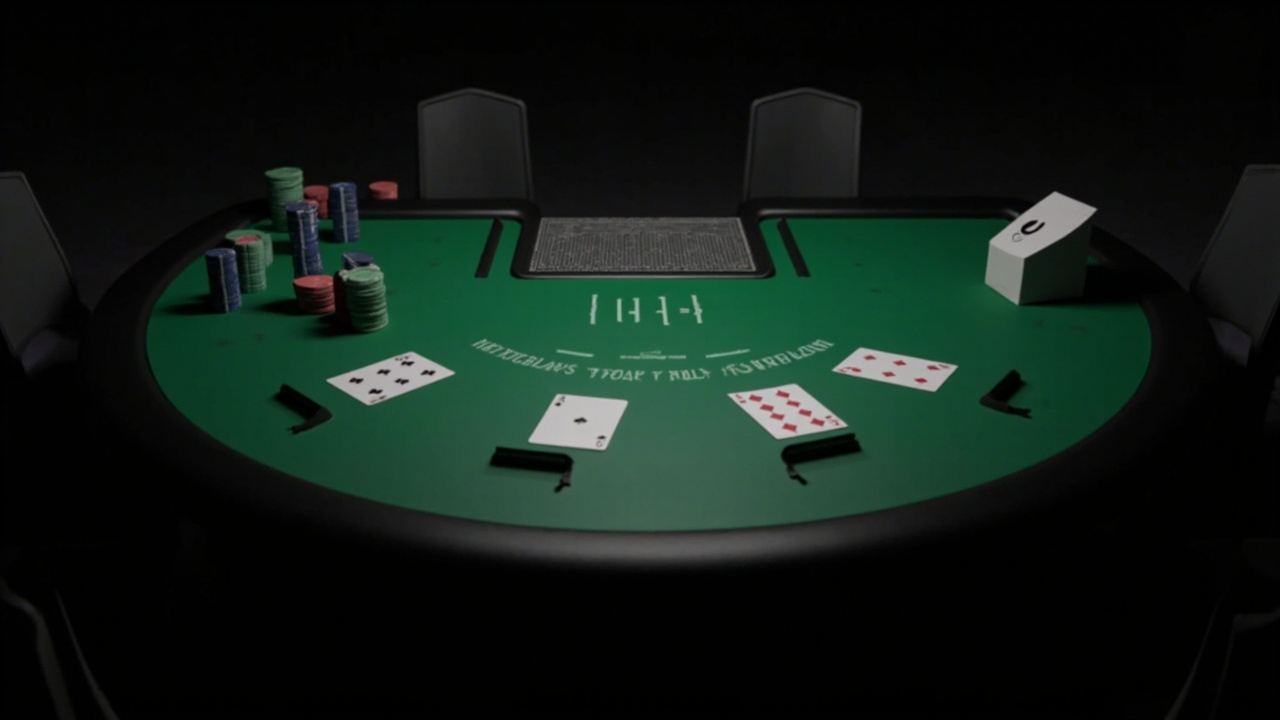
Players who understand how casino reels explained read variance in real time last longer at any operator. Having run teams of 120 across compliance and product, the brands I back publish their maths openly.
A few terms used above, briefly defined:
- RTP (Return to Player): the long-run percentage of stakes a game pays back to players.
- House edge: the inverse of RTP; the operator’s structural margin on each bet.
- Volatility: how wildly a game’s payouts swing around their average return.
- Wagering requirement: the turnover multiple applied to a bonus before withdrawal is allowed.
- KYC (Know Your Customer): the document checks an operator runs before approving withdrawals.
Casino probability explained isn’t a single equation; it is a sequence of choices that begins at the sign-up form and ends at the cashier. The operators worth your time will surface RTP, volatility, and bonus value before you deposit, and the ones who don’t are telling you something too. Read the form, read the bonus, and let the maths do the talking.
Sorry, the comment form is closed at this time.